Char Dham Yatra: A Traveler's Guide
A suggested route to Yamunotri, Gangotri, Kedarnath, and Badrinath — what to expect, when to go, and how the roads work.
Char Dham Yatra: A Traveler's Guide
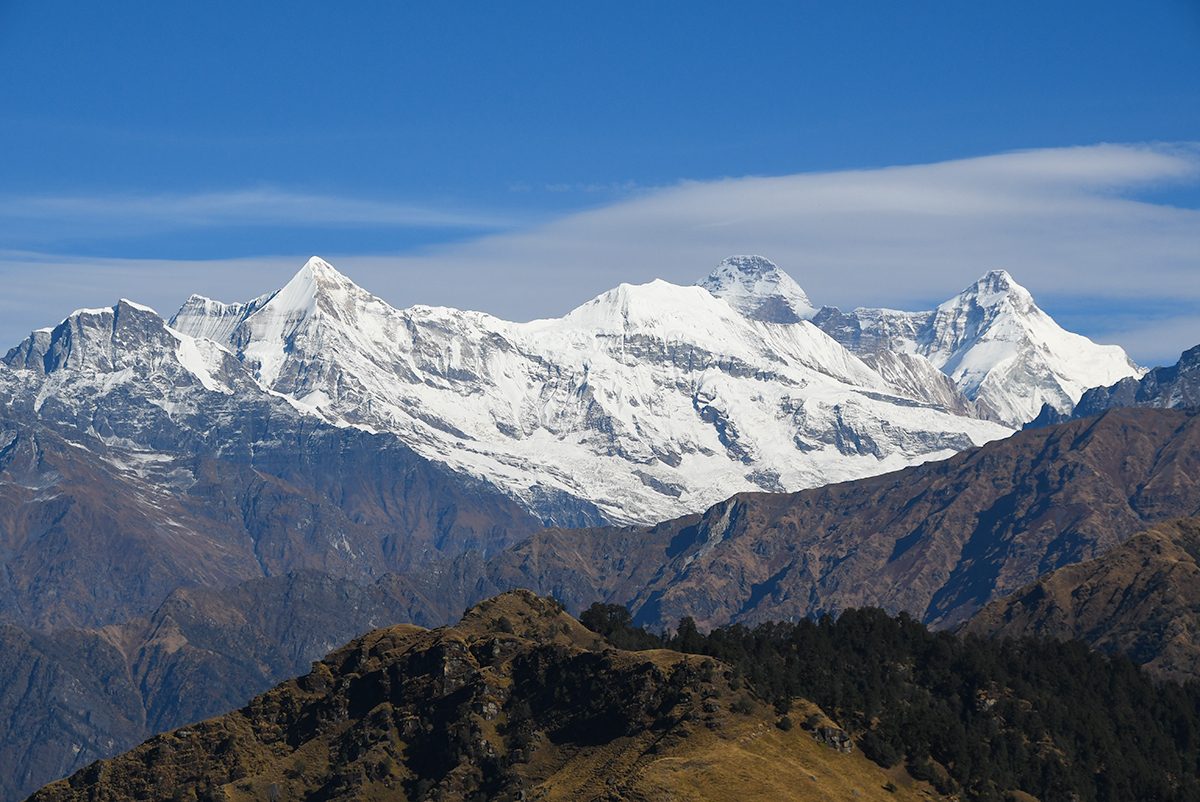
The Char Dham Yatra is a pilgrimage circuit to four sacred Himalayan shrines — Yamunotri, Gangotri, Kedarnath, and Badrinath — set high in the mountains of Uttarakhand. Covering all four in one trip means long driving days, high-altitude weather, and permit paperwork most travelers would rather not handle alone.
If you'd like a driver for the trip, this is exactly the kind of route we do regularly — one vehicle and driver for the whole circuit, someone who knows the mountain roads and can adjust around weather. Below is what to know whether you're planning it with us or on your own.
Dates and availability can change. Road conditions, weather, and seasonal closures may affect this route — contact us for the latest information before you travel.
What to Know Before You Go
- Biometric registration is mandatory at all four shrines — plan to register online in advance or at the counters on arrival.
- Build in buffer days: mountain weather can delay travel by a day or more, especially around Kedarnath.
- Kedarnath requires a trek, pony ride, or helicopter transfer from Sonprayag — worth planning ahead if mobility is a concern.
- An SUV or Premium SUV handles the mountain roads and higher altitude sections more comfortably than a standard sedan.
A Suggested Route
Day 1
Haridwar / Rishikesh to Barkot
Pickup from Haridwar or Rishikesh and drive to Barkot, the base for Yamunotri. Overnight stay in Barkot.
Day 2
Barkot to Yamunotri and Back
Early drive to Janki Chatti, followed by a trek or pony ride to Yamunotri shrine. Return to Barkot for the night.
Day 3
Barkot to Uttarkashi
Scenic drive along the Bhagirathi river valley to Uttarkashi. Overnight stay in Uttarkashi.
Day 4
Uttarkashi to Gangotri and Back
Day trip to Gangotri shrine, source of the Ganges, and back to Uttarkashi for the night.
Day 5
Uttarkashi to Guptkashi
Long drive day toward Guptkashi, the base for the Kedarnath leg of the journey.
Day 6
Guptkashi to Kedarnath
Drive to Sonprayag, then trek, pony ride, or optional helicopter transfer to Kedarnath. Overnight near the shrine.
Day 7
Kedarnath Darshan and Return to Guptkashi
Morning darshan at Kedarnath, then descend to Sonprayag and drive back to Guptkashi.
Day 8
Guptkashi to Badrinath
Drive through Rudraprayag and Joshimath to Badrinath, the final of the four shrines.
Day 9
Badrinath Darshan and Drive to Rudraprayag
Morning darshan at Badrinath, then begin the return journey as far as Rudraprayag.
Day 10
Rudraprayag to Haridwar / Rishikesh
Final drive back to Haridwar or Rishikesh for drop-off, or onward transfer to Dehradun for your return journey.
Days 11-12 (Buffer)
Weather & Rest Buffer
Mountain weather can delay travel by a day or more, especially around Kedarnath. It's worth planning 1-2 buffer days into the trip so a delay doesn't cost you a shrine visit.
Best Time to Visit
The Char Dham Yatra is a seasonal tour. All four shrines close for winter under heavy snow and reopen the following year, typically in late April or May. The route stays open through October, with Kedarnath and Badrinath usually closing by mid-to-late November. June through August sees the highest footfall and can include monsoon-related road delays in the hills; May and September–October tend to be quieter with more stable weather.
Popular Routes
Discover the best travel tips and cab services.
Chandigarh to Delhi Taxi
Delhi to Jaipur Taxi
Chandigarh to Spiti Valley
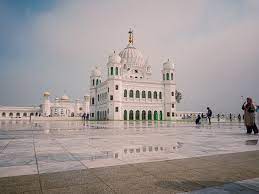
Delhi to Kartarpur Corridor Taxi